人间正道是沧桑
书名:哔哩哔哩|作者:笑无语|本书类别:古言|更新时间:13:48:39|字数:3896字
一 | 부산고법, 벌금 25억→ 15억- 뇌물 혐의는 그대로 무죄 유지 법원 그래픽. 국제신문 DB부산 중견 건설사 ‘일동’ 일가의 비자금·뇌물 사건이 항소심에서도 ‘비자금 혐의 유죄·뇌물 혐의 무죄’로 판단됐다.부산고법 형사2부(박운삼 재판장)는 26일 일동 대표 김모 씨 등에 대한 항소심에서 원심을 일부 파기했다. 김 씨의 징역 3년에 집행유예 5년은 유지하면서 벌금은 25억 원에서 15억 원으로 낮췄다. 법인 벌금도 5억 원에서 2억5000만 원으로 감액했다. 김 씨의 동생과 전무 남모 씨의 징역 2년6개월에 집행유예 3년은 유지됐다.재판부는 “피고인과 건설사가 법인세·부가가치세, 횡령 금액에 대한 71억 원의 세액을 모두 납부했다”면서 “당연히 내야 할 세금이기는 하지만 실제 포탈 세액을 납부하지 않는 경우도 많아 유리한 사정으로 고려했다”고 밝혔다. 또 “피고인이 비자금 조성에 역할을 하기는 했으나 상당 부분은 고인이 된 아버지의 지시에 따른 것으로, 범행을 전적으로 주도했다고 보기는 어렵다”고 했다.뇌물 사건에서는 사주 일가와 은행원 7명, 공무원 3명 모두 무죄를 유지했다. 항소심 재판부는 “이 사건 압수물은 애초 피의사실인 횡령·배임이 아니므로 그와 객관적 관련성이 없어 위법한 것으로 판단한다. 위법수집증거를 제외하면 공소사실을 증명할 만한 뚜렷한 증거가 없어 원심과 같이 무죄로 본다”고 판시했다.대출 조건을 바꿔 계열사가 70억 원을 먼저 인출하게 한 혐의로 1심에서 유죄를 받은 은행원 2명도 무죄로 뒤집혔다. 재판부는 “대출 제반 과정을 살펴보면 에쿼티 70억 원이 사업이익에서 제외되는 것이 당연한 구조였다”며 “이를 배임행위로 보기는 어렵다”고 판단했다.사건은 창업주와 두 아들이 경영권·지분 분쟁을 벌이다 상호 고소·고발과 세무조사로 번지면서 드러났다. 대표 김 씨 등은 하도급 공사대금을 부풀린 뒤 현금을 돌려받아 82억 원 상당의 비자금을 조성한 혐의로 기소됐다.。
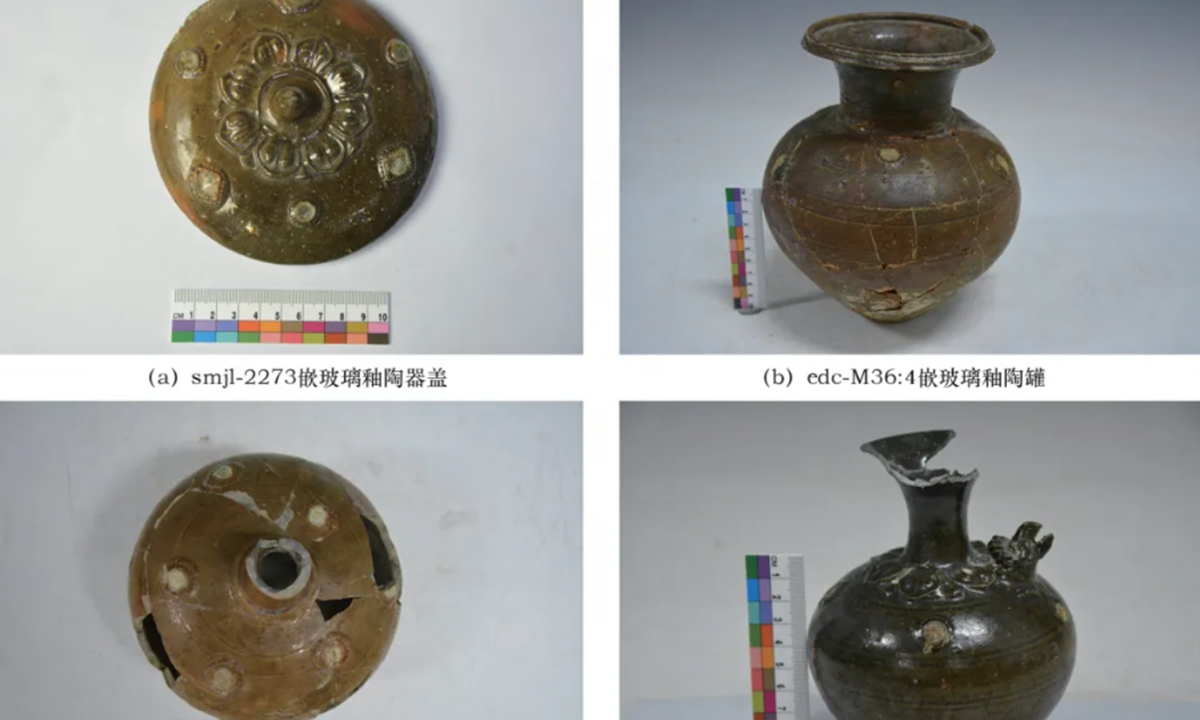
Systematic analysis conducted by the institute of pottery wares dating back to the Pingcheng period of the Northern Wei Dynasty (386-534) has identified distinct foreign cultural and technological elements embedded in the craftsmanship and material composition of the unique artifacts, shedding fresh light on ancient Eurasian cultural integration.
Established by the Tuoba Xianbei ethnic group, the Northern Wei Dynasty designated Pingcheng, present-day Datong city in Shanxi Province, as its capital from 398 to 494. For nearly a century, the city served as a pivotal multicultural hub where Xianbei nomadic culture, Central Plains Han culture and diverse Western Regions civilizations converged and interacted, according to a report on Chinanews.com.cn.
Archaeological excavations at multiple tomb clusters in Pingcheng, including the Dongxin Northern Wei cemetery and the Qilicun cemetery, have yielded a total of eight pieces of glass-inlaid glazed pottery. Though far fewer in number compared with common glazed pottery figurines and painted glazed wares, these artifacts feature an extremely rare inlay technique unseen elsewhere in the developmental history of Chinese ceramics, according to the press release.
Given the exceptional rarity and good preservation of the relics, researchers selected four representative pieces for comprehensive laboratory testing and material analysis. The results show that the glass inlays are primarily soda-alumina glass, most likely produced by remelting trade beads from the Indian Ocean and Pacific regions, a key commodity in ancient maritime and overland trade networks.
The findings confirm that Pingcheng maintained frequent cross-border trade and cultural communication during the Northern Wei era, with access to glass raw materials sourced from diverse overseas regions. The varied compositional characteristics of the inlaid glass provide crucial clues for studying ancient glass-making technologies, raw material circulation and long-distance trade routes in ancient East Asia, the press release noted.
Beyond material composition, the artifacts also embody prominent cross-cultural innovation in design. Their decorative motifs draw heavily on gem-encrusted gold and silver wares of the Sasanian Persian Empire, while integrating artistic elements from other Eurasian regions. The blended design styles reflect the era's prevailing trend of multicultural fusion and creative assimilation of foreign civilizations.
Archaeologists noted that the glass-inlaid glazed pottery represents an innovative technological achievement crafted by Northern Wei artisans who absorbed and refined foreign techniques and aesthetics. The distinctive craftsmanship and stylistic features of these wares exerted a far-reaching influence on ceramic production in surrounding regions and subsequent dynasties, marking a vital chapter in the evolution of ancient Chinese ceramic art.
The research underscores that ancient China's northern borderland was not an isolated cultural enclave, but an active node in Eurasian cultural and trade exchanges, where foreign elements were localized and innovated to form unique regional civilizational achievements, archaeologists from the Shanxi Provincial Institute of Archaeology said.
。


